The Circular Thread: How Tanya Egerton is Weaving Opportunity Across Remote Australia
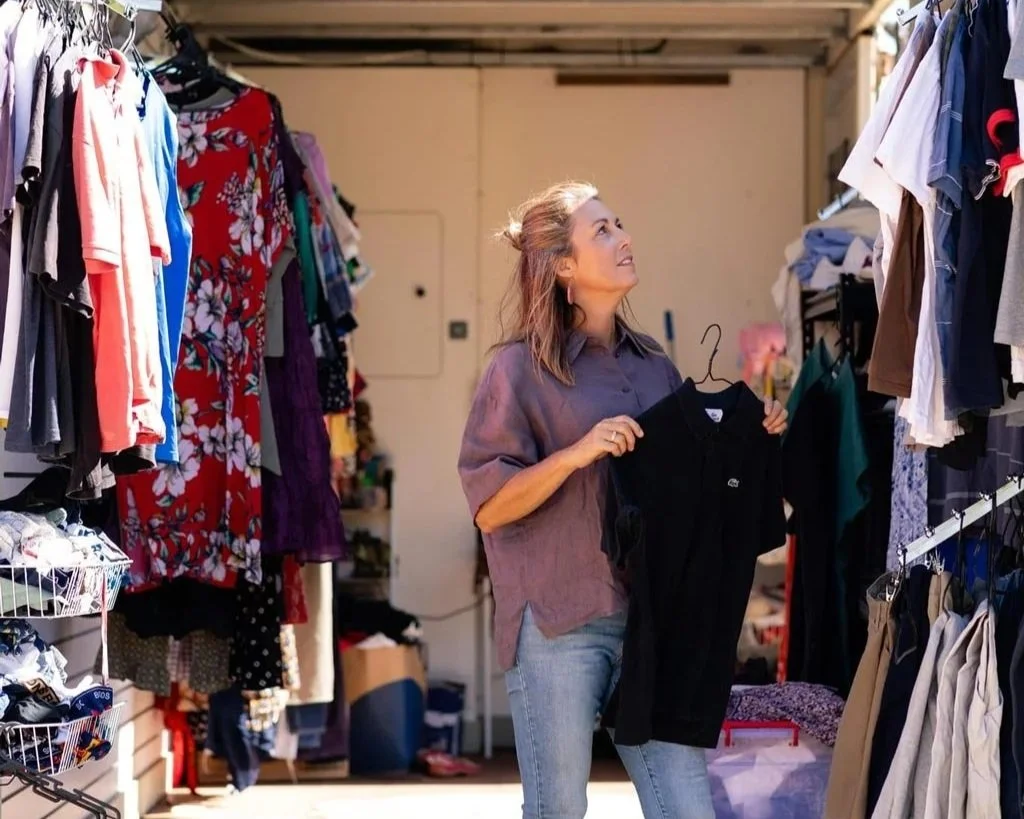
Tanya Egerton, the Founder of The Remote Op Shop Project, AMP Foundation Tomorrow Maker and the 2024 AgriFutures Rural Women’s Award winner, is revolutionising how remote First Nations communities access affordable goods whilst fostering local entrepreneurship.
Through a circular economy model, she is helping communities turn donated items into self-sustaining enterprises that preserve culture and create meaningful local employment.
Discover how Tanya Egerton is fostering Indigenous-led entrepreneurship through a network of remote op shops, proving that community-led retail can bridge the gap between waste reduction and economic empowerment.
From concern to action
Tanya’s journey began with a deep-seated concern for the inequities faced by those living in Australia's most isolated regions. Living in Katherine in the Northern Territory, she witnessed firsthand the "poverty tax" where the cost of basic essentials was often double or triple that of urban centres. This wasn't just a logistical hurdle; it was a barrier to dignity and self-determination. "I saw that there was a real need for access to affordable, quality clothing and household goods, but more importantly, a need for local people to have agency over their own retail spaces," Tanya reflects in her recent discussions.
She realised that simply shipping donations wasn't enough; the model needed to be rooted in community ownership. The problem was twofold: a lack of affordable goods and a lack of supported pathways for First Nations women to enter the small business sector. Tanya's background in community development and her passion for social justice merged when she identified that op shops could serve as the perfect "entry-level" business incubator. By addressing the immediate material needs of a community, she could simultaneously create a platform for long-term economic participation.
The power of the Remote Op Shop model
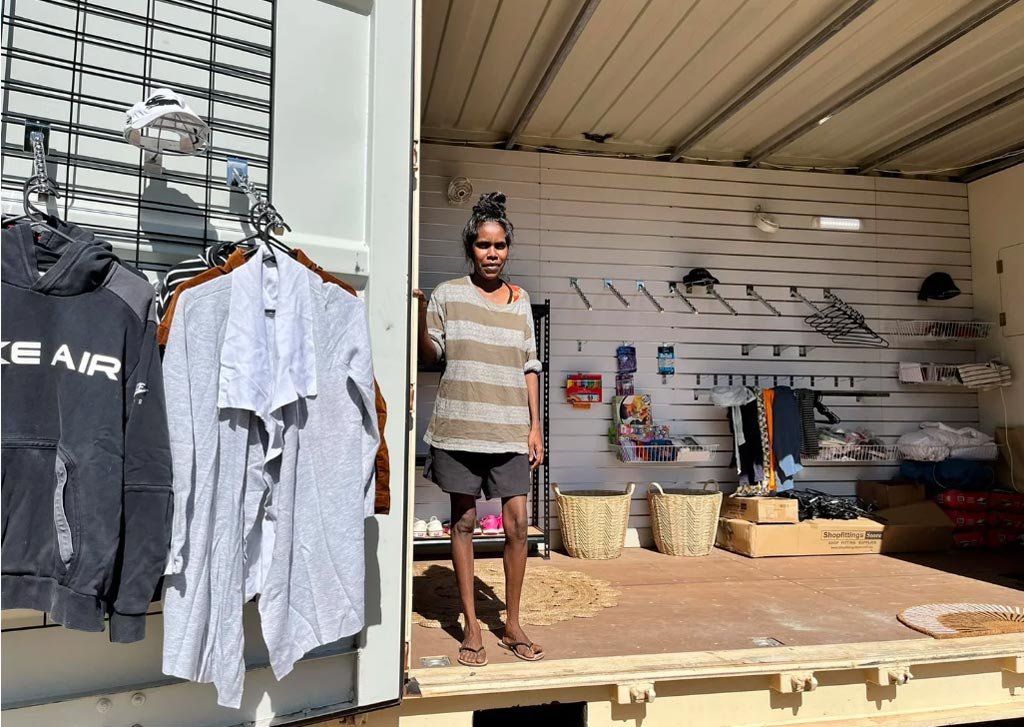
The Remote Op Shop Project operates on a sophisticated yet accessible circular economy framework. It isn't just about selling second-hand clothes; it’s about creating a sustainable ecosystem where surplus stock from urban areas is diverted from landfill and repurposed as capital for remote startups. "We provide the infrastructure, the stock, and the training, but the community provides the heart and the leadership," Tanya explains. This model allows First Nations women to learn the ropes of retail management, from inventory and point-of-sale systems to customer service and financial literacy, all within a culturally safe environment.
The impact is immediate and multifaceted. Families can purchase a bag of clothes for a few dollars, freeing up their limited income for food and power. Simultaneously, the profits from these shops stay within the community, often funding local projects or providing "top-up" income for the operators. By keeping the wealth local, Tanya is challenging the traditional "fly-in fly-out" service model. The strength of this solution lies in its simplicity: it turns a waste problem in the city into a wealth opportunity in the bush, ensuring that heritage and culture are preserved through stable, community-led growth.
Navigating Challenges
Building a network of enterprises across the vast expanses of the Northern Territory is no small feat. Tanya has had to navigate significant bureaucratic and logistical obstacles, from the high cost of freight to the complexities of land tenure in remote communities. "You have to be incredibly persistent," she notes. "In the early days, explaining that an op shop was a serious economic development tool was a challenge. People often saw it as 'just a charity' rather than a viable social enterprise."
Overcoming these perceptions required Tanya to use her advocacy skills to bridge the gap between grassroots needs and government funding requirements. She spent years refining the pilot programs, ensuring they were robust enough to withstand the unique pressures of remote life, such as extreme weather and limited infrastructure. Her success at the AgriFutures Rural Women’s Award in 2024 served as a powerful validation of her persistence. It provided the platform needed to scale the project, proving that her strategic pivot from a local volunteer effort to a national-scale social enterprise was not only possible but essential for regional resilience.
Building community resilience
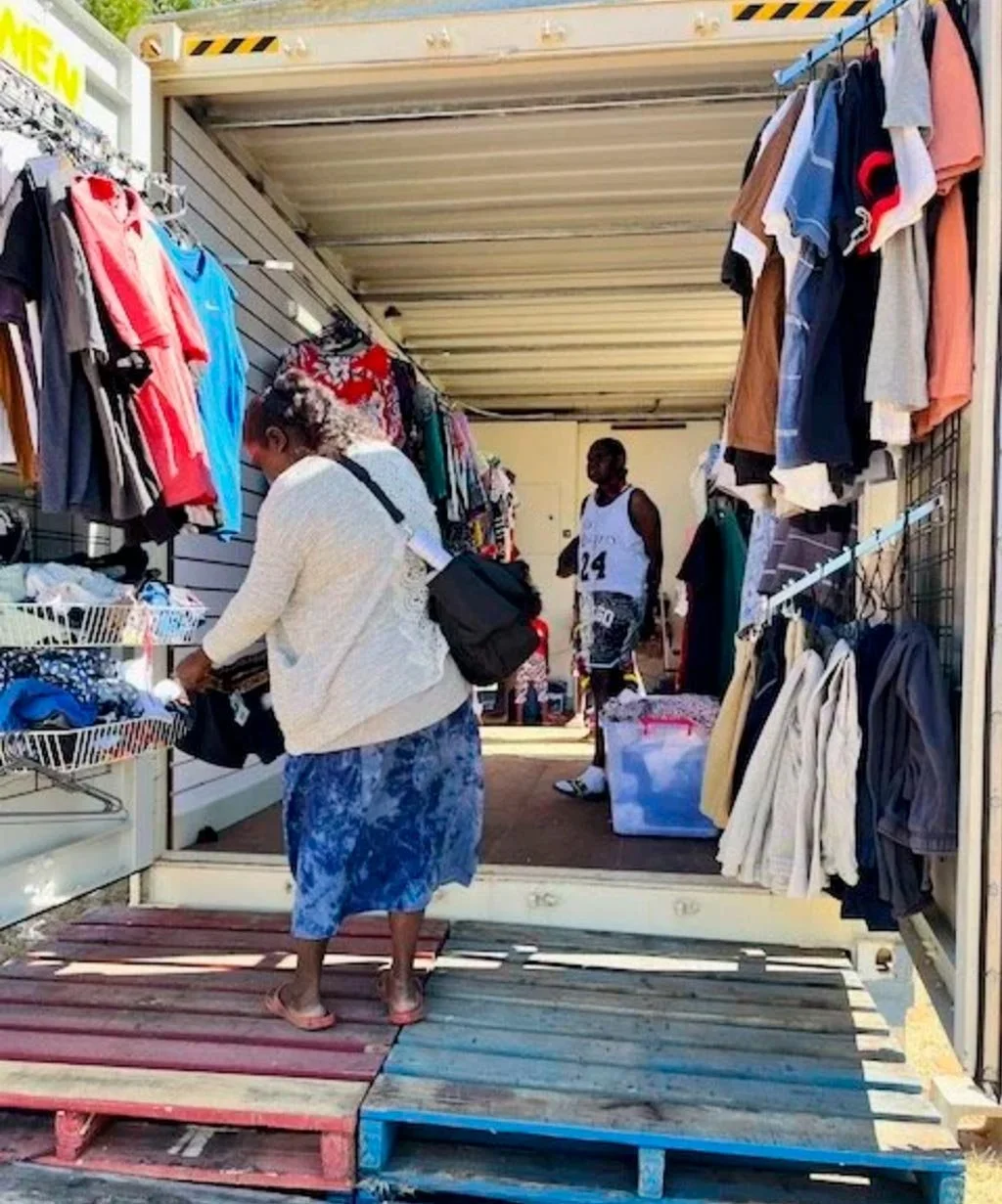
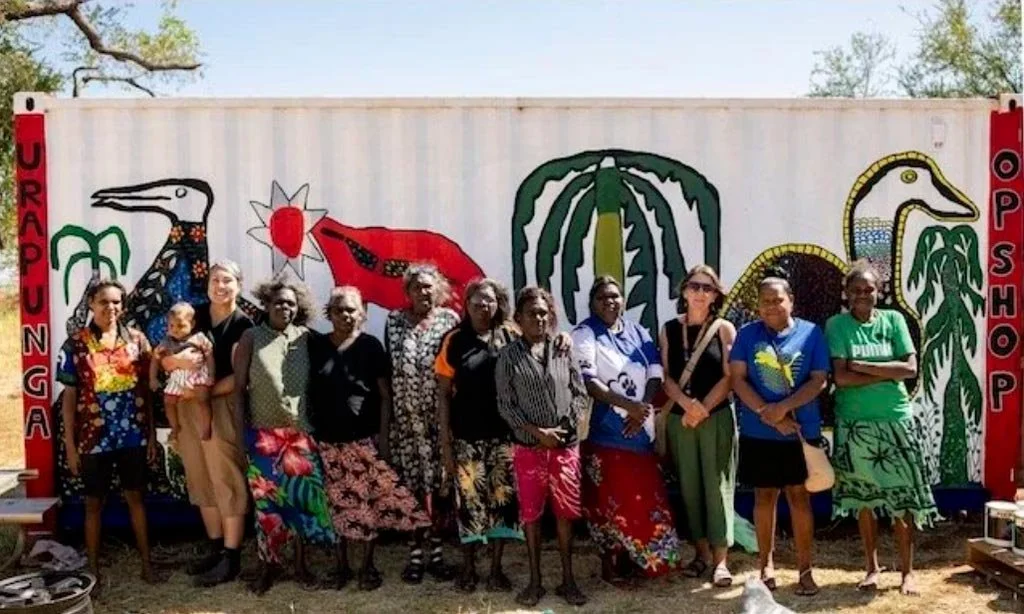
The ripple effect of The Remote Op Shop Project extends far beyond the four walls of a storefront. Each new shop acts as a community hub, a place where people gather, share stories, and support one another. For many of the women involved, it is their first experience with formal employment or business ownership. "Seeing the confidence grow in these women is the most rewarding part of the work," Tanya says. "They are becoming the mentors for the next generation of leaders in their communities."
By providing a steady supply of affordable goods, the project also enhances the overall health and wellbeing of the community. Children have access to warm clothes in winter, and households can be furnished with dignity. This stability allows community members to focus on other aspects of life, such as education and cultural preservation. The project currently supports multiple communities, and with the recent award funding, Tanya is set to expand this reach even further. It is a testament to the power of "Radical Hope"—the belief that by doing our bit and working together, we can overcome systemic disadvantage and build a future rooted in equity and self-reliance.
Leading by example
Tanya’s leadership style is defined by her authenticity and her deep respect for First Nations protocols. She understands that to be an effective changemaker, one must listen more than they speak. "You have to be invited in," she emphasises. "This isn't about me going into a community and telling them what they need. It’s about me showing up and asking how I can support their vision." Her commitment to "electrifying everything" and staying sustainable in her personal life mirrors the circular principles she champions professionally.
Looking forward, Tanya’s vision is to see a Remote Op Shop in every community that wants one, creating a national network of First Nations-led retail hubs. She encourages aspiring changemakers to simply start, even if the path isn't perfectly clear. "We learn by doing," she says. "If you have an idea that solves a local need, don't wait for permission. Just start building the relationships and the rest will follow." Her journey serves as a beacon for anyone interested in business as a force for good, proving that when you align your passion with a practical solution, the impact can be extraordinary.
To learn more about the Remote Op Shop Project and their work, visit remoteopshopproject.org or connect with Tanya on LinkedIn.
Join values-aligned people on Business for Good Network for the price of a weekly coffee!