Bringing Owls Back to the Farm: How Alastair Duncan is Rethinking Pest Control
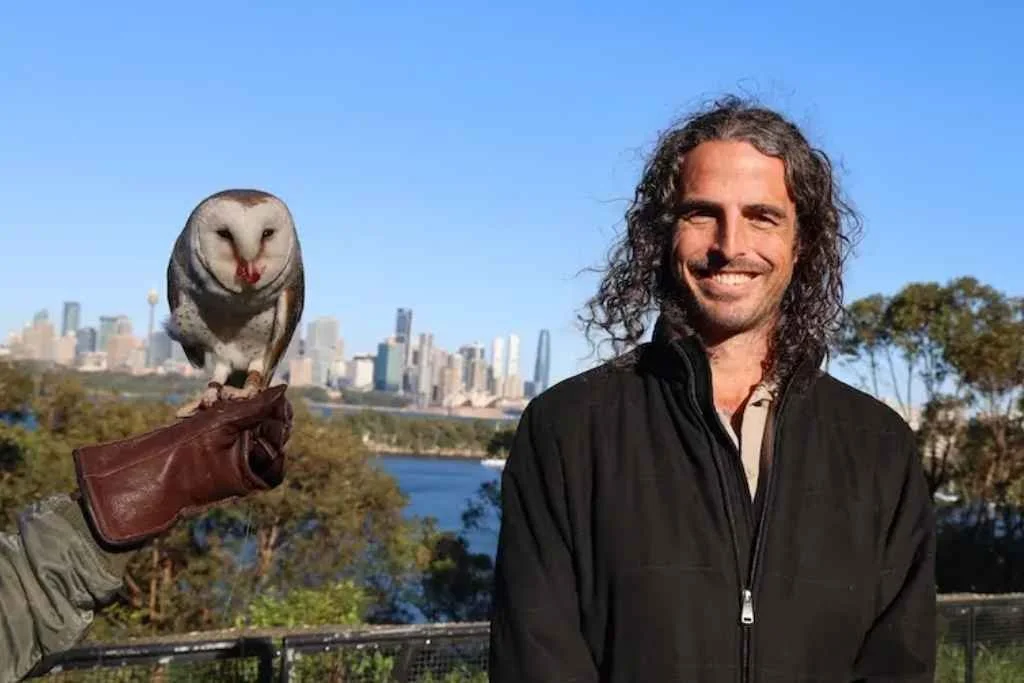
Alastair Duncan is the co-founder of Owls Eat Rats, a pioneering social enterprise helping Australian farmers replace harmful chemical rodenticides with wild Barn Owls.
By creating safe nesting habitats on agricultural land, he is demonstrating that natural predation can provide a scalable and highly effective alternative to traditional pest control while boosting biodiversity.
Discover how Alastair Duncan is transforming Australian agriculture through landscape-level commercial conservation, proving that supporting natural ecosystems is not only good for the environment but also a highly practical business decision for farmers.
Finding a Better Answer to an Entrenched Problem
Alastair Duncan has always possessed a strong environmental streak, driven by a deep desire for justice and sustainability. His journey began by studying international aid and sustainable development, which exposed him to the many things wrong with the world but offered absolutely no practical answers.
Instead of becoming discouraged, Alastair embraced a unique philosophy. He realised he did not need to generate every idea himself. Rather, his true strengths lay in problem-setting, problem-solving and viewing complex issues from completely different angles.
The specific problem that captured his attention was the agricultural reliance on rodenticides. As Alastair noted, the usual practice is to put out baits, but these are becoming less effective. Their impact on rodents is declining while their negative impact on the environment continues to increase. Farmers found themselves trapped, with no viable or scalable options beyond baiting.
Driven by curiosity and a commitment to asking the right questions, Alastair co-founded Owls Eat Rats, stepping into the middle of an unexpected agricultural innovation to tackle this wicked problem head-on.
When Owls Become the Pest Control System
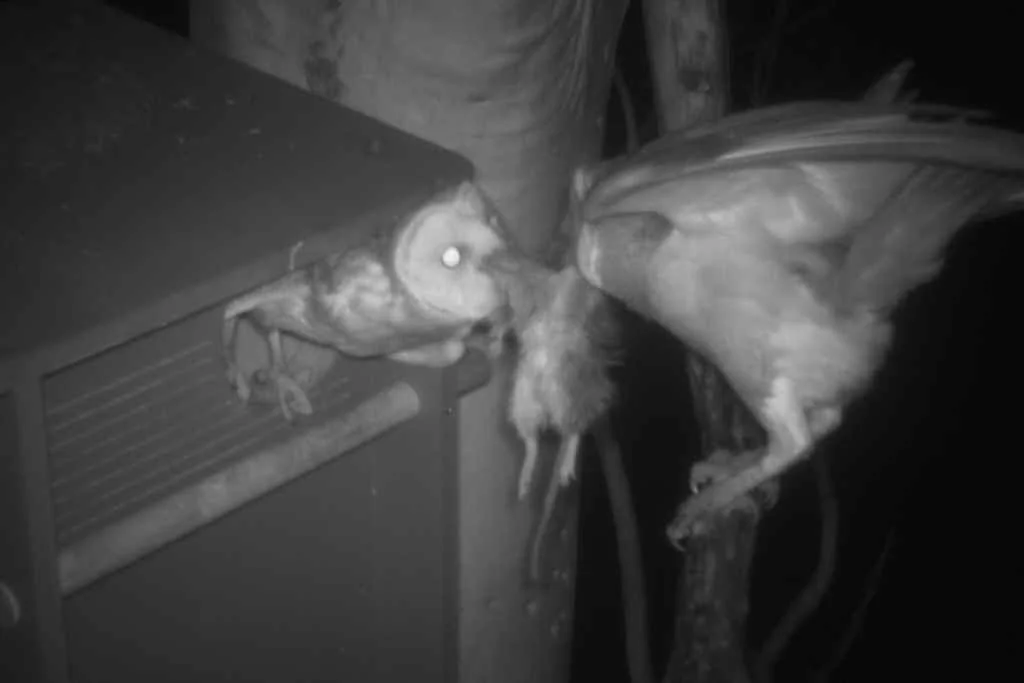
The solution developed by Owls Eat Rats is as elegant as it is effective. The social enterprise helps farmers replace harmful rodenticides with wild Barn Owls by creating safe nesting habitats on their properties. This approach taps into natural predation as a highly scalable alternative to chemical control.
The mechanics of the model rely heavily on the owls’ natural behaviour. As Alastair explains, while owls will always eat rats, during breeding events they can take out around a thousand rats per event.
At their pilot site in the Northern Rivers, the team witnessed back-to-back breeding across nine active nest boxes, effectively removing roughly 9,000 rats over a 60-day period. This was achieved without the use of a single chemical bait.
Yet, the model is not merely about pest management. At its core, Owls Eat Rats is about restoring natural capital and proving that ecological services can be measurable, practical and good for business. Alastair refers to this approach as commercial conservation, demonstrating that boosting biodiversity directly supports robust farming systems.
Earning Farmers’ Trust in a Risk-Averse Industry
Implementing a nature-based solution in a traditional industry comes with significant hurdles. The most pressing challenge for Owls Eat Rats is shifting entrenched mindsets and encouraging long-term behavioural change among farmers.
While the response in the Northern Rivers of New South Wales has been overwhelmingly positive, Alastair acknowledges that rolling out the initiative at scale across more intensive farming regions is much more challenging.
In larger factory farming areas, there is a greater focus on strict productivity, and the perceived risks of moving away from established chemical methods are considerably higher.
To overcome these barriers, the team must tread carefully. They focus on proving that the model works before pushing for widespread adoption, choosing to frame the conversation around the potential of natural services rather than aggressively selling pest control.
By facilitating open conversations without preconceptions, Alastair allows farmers to guide the transition. This patient, evidence-based approach builds vital trust, helping the enterprise gradually dismantle the barriers to adopting commercial conservation in risk-averse agricultural sectors.
Creating Change Beyond the Farm Gate
The ripple effect of the Owls Eat Rats initiative extends far beyond individual farm boundaries.
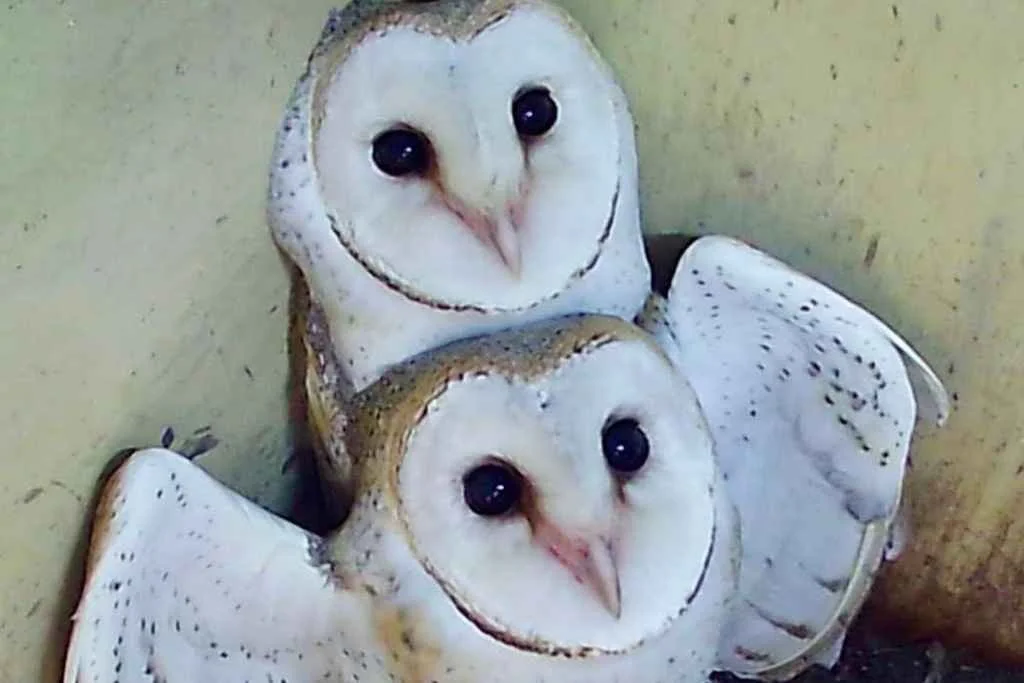
By taking a landscape-level approach, the enterprise is actively strengthening Barn Owl populations across broad agricultural regions, creating healthier and more robust ecosystems for everyone.
Reducing reliance on chemical inputs across Australia’s food system is crucial for community resilience. It protects local wildlife from secondary poisoning, safeguards domestic pets and preserves the integrity of local waterways and soil systems.
Furthermore, Alastair’s collaborative approach brings the farming community together around a shared vision of sustainability. When farmers participate in these programs, they become active stewards of their local environment, sharing their successes and learnings with their neighbours. This community-led knowledge transfer is essential for lasting change.
Owls Eat Rats does not aim to eliminate rodenticides overnight. Instead, it supports rural communities in gradually transitioning towards more sustainable practices.
This careful, community-focused method helps local agricultural hubs remain profitable while protecting the natural heritage that sustains them.
Why the Best Solutions Begin with Questions
Alastair Duncan’s leadership style is defined by genuine humility and an insatiable curiosity. He openly admits that he prefers to say he is an expert in nothing, choosing instead to build things by asking questions rather than pretending to have all the answers.
He believes that when you approach people without preconceptions and frame issues as open conversations, the kernels of real solutions begin to emerge. This inclusive leadership model empowers farmers, positioning them as the true experts on their land.
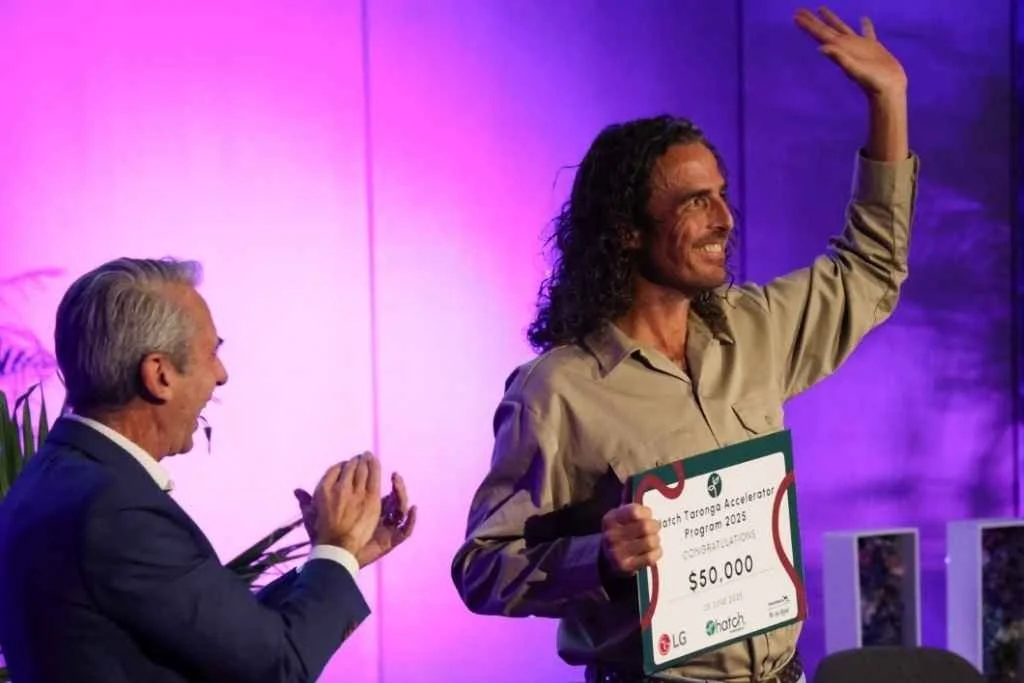
Alastair’s innovative work was recently validated when Owls Eat Rats won the prestigious 2025 Hatch Grant from the Taronga Accelerator Program, supported by LG. The judges praised the initiative for its practical scalability and strong conservation grounding.
Looking to the future, Alastair envisions an agricultural sector where natural capital is universally valued. By continually seeking new perspectives and championing the commercial viability of ecological services, he is providing a blueprint for aspiring changemakers who want to combine environmental passion with practical, collaborative business models.
To learn more about Owls Eat Rats and their work, visit owlseatrats.com.au or connect with Alastair on LinkedIn.
Join values-aligned people on Business for Good Network for the price of a weekly coffee!