
Anchoring Purpose: How Levi-Joel Tamou is Cultivating Food Security Through Indigenous Wisdom
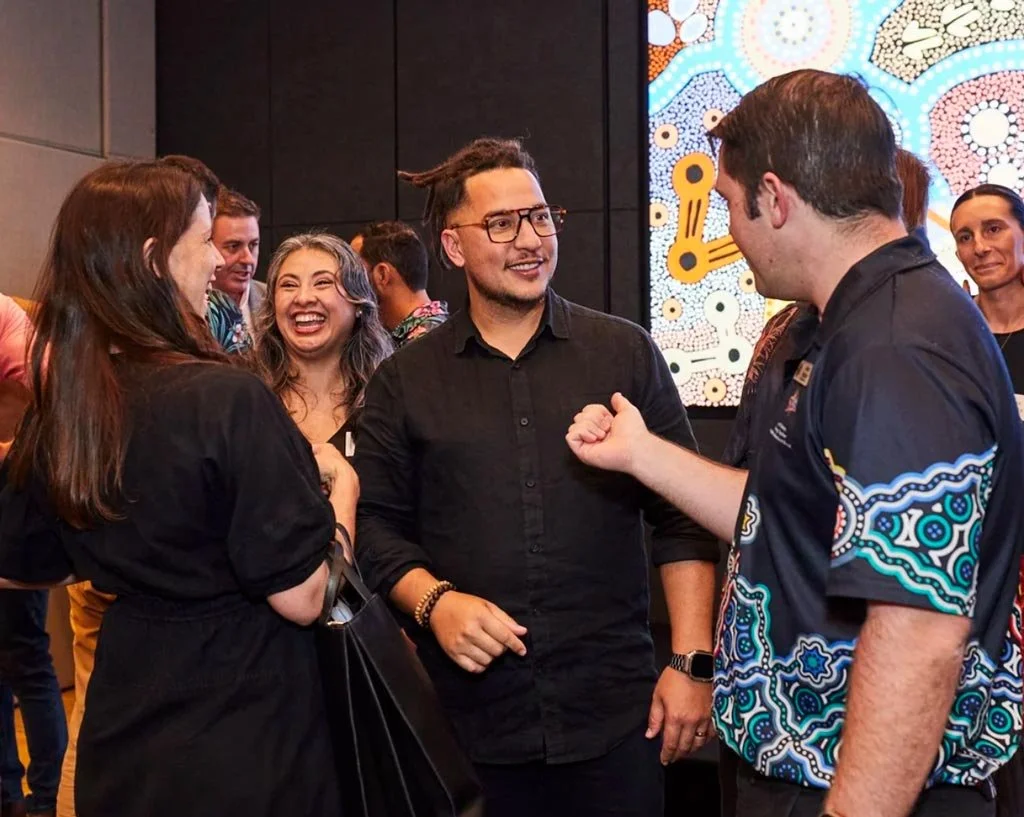
Levi-Joel Tamou, founder of Indigenous Futures, is bridging the gap between traditional knowledge and modern food systems.
By empowering First Nations communities to reclaim their food sovereignty, he is building a resilient model for environmental sustainability and economic independence.
Discover how Levi-Joel Tamou is transforming the Australian agricultural landscape by integrating Indigenous ecological knowledge with social enterprise, proving that the key to a sustainable food future lies in honouring the world's oldest living culture.
From Concern to Action
Levi’s journey into the social enterprise space was born from a deep observation of the systemic gaps facing Indigenous communities, particularly regarding health and economic agency. Growing up with a strong connection to his heritage, he witnessed the disconnect between traditional land management and the modern "industrialised" food system which often leaves remote communities vulnerable. This wasn't just a logistical problem; it was a cultural one.
"I think for me, it was about looking at the statistics and realising they aren't just numbers - they are our families," Levi shared in his recent Impact Boom interview. He recognised that food security is the bedrock of community health. Without the ability to grow, distribute, and control their own food sources, communities remain dependent on external systems. This realisation shifted his focus from mere advocacy to the creation of Indigenous Futures Foundation, a vehicle designed to put the tools of production back into the hands of Traditional Owners.
The Power of Indigenous Futures
The model behind Indigenous Futures Foundation is as much about cultural restoration as it is about agriculture. By utilising a "culture-first" framework, the organisation helps communities develop commercial food hubs that respect the seasonal rhythms of the land. This isn't just about farming; it is about creating a circular economy where Indigenous ecological knowledge (IEK) is the primary intellectual property.
Levi explains that the solution lies in "anchoring purpose in culture." When a business model is built on cultural values, the social impact becomes an inherent by-product rather than an afterthought. Indigenous Futures facilitates partnerships that allow for the scaling of native crops and sustainable fishing practices, ensuring that the wealth generated stays within the community. It is a sophisticated blend of ancient wisdom and modern technology that addresses the 17 United Nations Sustainable Development Goals through a uniquely Australian lens.
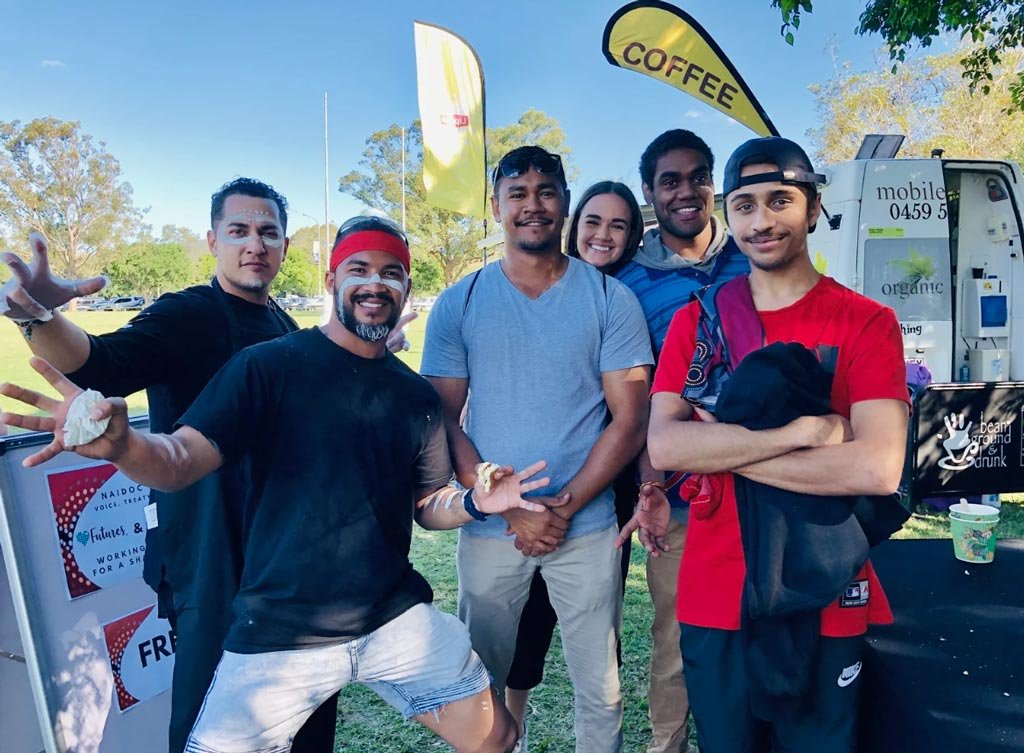
Navigating Challenges
Building a bridge between traditional practices and modern commercial markets is not without its hurdles. Levi has been vocal about the "bureaucratic friction" that often prevents Indigenous innovators from accessing the same capital and land rights as traditional commercial enterprises. Navigating the complexities of land tenure and the "gatekeeping" of the agricultural sector has required immense persistence.
"You have to be comfortable with the slow burn," Levi reflects. He notes that while the modern business world demands rapid growth and quarterly results, the work of Indigenous Futures requires a generational perspective. Overcoming the scepticism of investors who may not initially see the value in "slow-yield" cultural impact has been a primary obstacle. However, by demonstrating consistent results and high-quality produce, Levi is successfully shifting the narrative from "charity" to "high-value partnership."
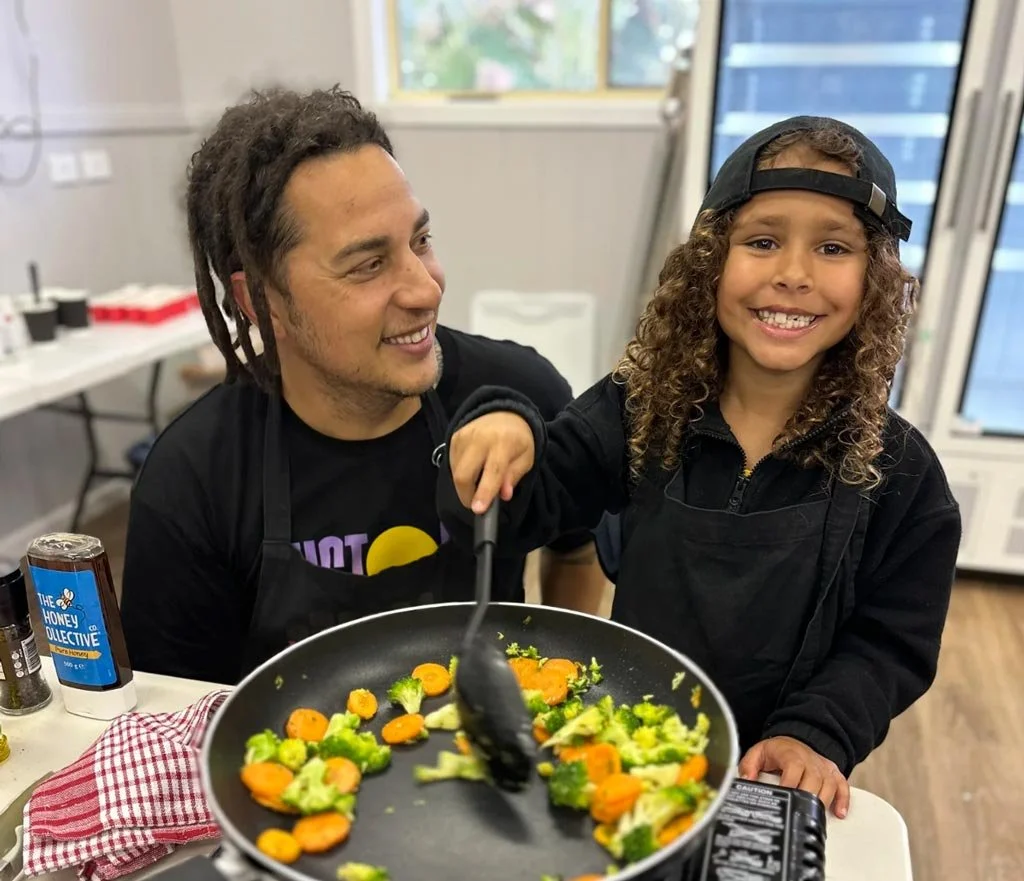
Building Community Resilience
The ripple effect of Levi’s work extends far beyond the perimeter of a farm. By creating local jobs that require cultural knowledge, Indigenous Futures is providing a pathway for young people to stay on Country while building professional careers. This creates a powerful sense of pride and community resilience, as members see their heritage being valued on the global stage.
The impact is measured not just in tonnes of produce, but in the restoration of health outcomes and the strengthening of cultural identity. When a community can feed itself with food that is culturally appropriate and locally grown, the "poverty tax" of remote living begins to dissolve. Levi’s work proves that when you give a community the agency to manage their own resources, they don't just survive; they thrive and become leaders in the broader climate conversation.
Leading by Example
Levi’s leadership style is defined by humility and a "listen-first" approach. He views himself not as a traditional CEO, but as a facilitator of a much larger movement. His vision for the future is one where Indigenous-led enterprises are not a niche sector, but a fundamental pillar of the Australian economy.
"Success isn't about how big Indigenous Futures gets," Levi says, "it's about how many communities no longer need us because they have their own thriving systems in place."
This selfless approach to leadership - prioritising the mission over the brand - is exactly why he has become a respected voice in the "Business for Good" space.
He encourages other founders to look beyond the profit-and-loss statement and find the "ancestral why" behind their work.
To learn more about Indigenous Futures Foundation and their work, visit futures.org.au or connect with Levi on LinkedIn.
Join values-aligned people on Business for Good Network for the price of a weekly coffee!
