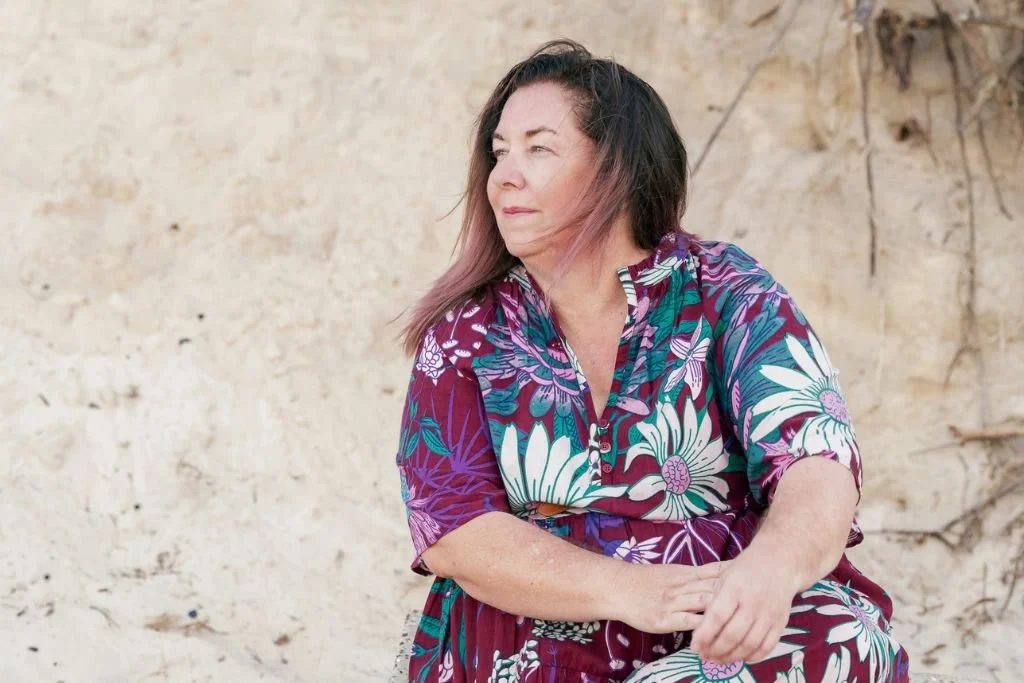
When was the last time you saw someone with a disability in an advertisement that had absolutely nothing to do with disability?
From fashion campaigns to supermarket commercials, the images we encounter every day influence our understanding of society and who belongs in it. Yet, despite more than one in five Australians living with disability, mainstream advertising rarely reflects this reality.
BFGN member and founder of Disinfluencer, Simone Eyles, is working to change that. By connecting the creative industry with an underrepresented pool of talent, she is demonstrating how marketing can become a powerful vehicle for social and economic inclusion.
Discover how Simone Eyles is challenging stereotypes in the media and advertising industry, using the power of creativity and social entrepreneurship to create meaningful employment opportunities for people with disabilities.
When Personal Experience Becomes Purpose
With a background in marketing, graphic design and photography, Simone has always understood the power of visual communication. However, it was her experience as a mother that gave her professional journey a new direction.
When her son Josh was born with a rare kidney disease, Simone experienced first-hand the challenges faced by families navigating disability and chronic illness. She also became increasingly aware of the disconnect between the diversity of the community around her and the people featured in mainstream media.
For years, Simone wanted to build something that brought together her creative expertise, entrepreneurial experience and commitment to the disability community. Discovering social entrepreneurship helped her understand how these ambitions could coexist within a commercially sustainable business.
Disinfluencer was born from that realisation.
Challenging the Way We See Disability
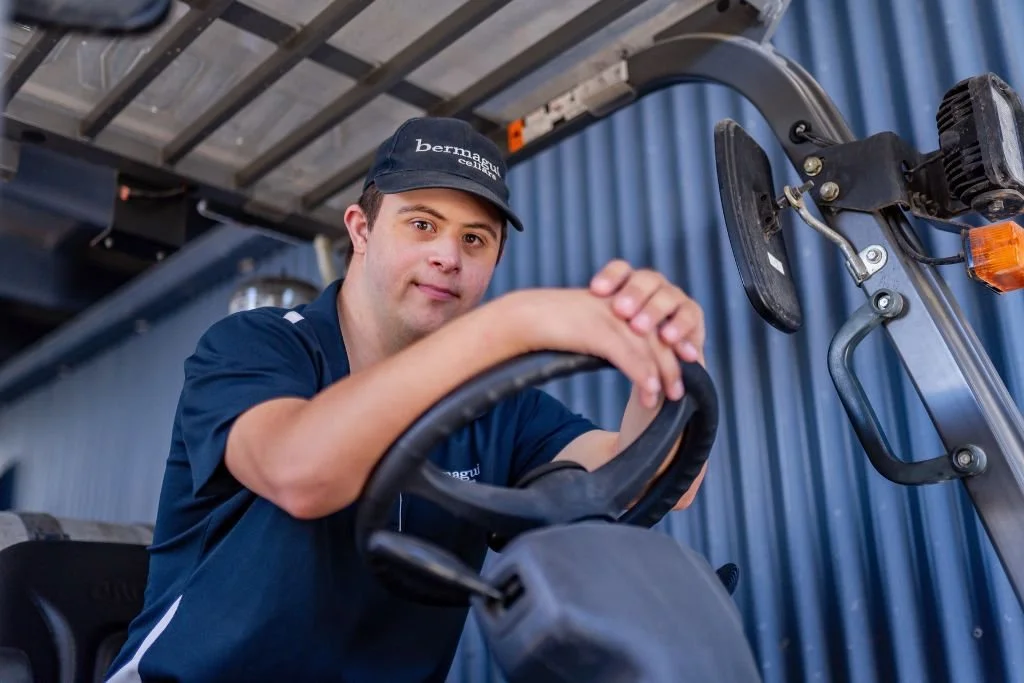
One of the fundamental challenges Simone identifies is not simply the absence of people with disabilities in advertising, but the way they are represented when they do appear.
Disability is often portrayed through narratives of adversity, vulnerability or extraordinary achievement. These representations leave little room for the ordinary experiences, ambitions, personalities and talents of millions of people.
The challenge becomes even more complex when considering non-visible disabilities.
In a 2024 conversation with Impact Boom, Simone reflected on how her son's everyday experiences are largely invisible to the people around him, highlighting the importance of education alongside representation.
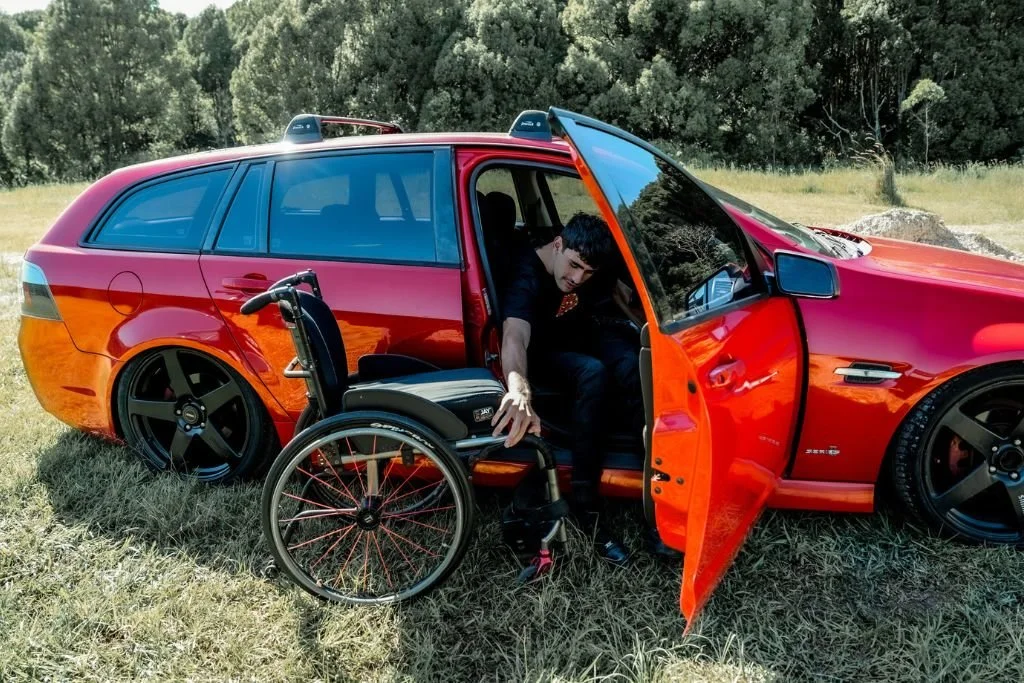
Her ambition is for people with disabilities to appear naturally across mainstream media, whether they are modelling clothes, promoting products, working in professional environments or simply enjoying everyday life.
Their disability doesn't always need to be part of the story.
Turning Representation into Economic Opportunity
At the heart of Disinfluencer is a social enterprise model that connects the commercial needs of businesses with the employment aspirations of people with disabilities.
The enterprise operates across three complementary areas:
Inclusive imagery: Providing businesses and creative professionals with authentic stock photography featuring people with disabilities in diverse, everyday settings.
Talent representation: Connecting models, actors, influencers and creators with disabilities to paid commercial opportunities.
Education and accessibility: Equipping brands, marketing teams and workplaces with the knowledge and resources to become more inclusive.
Disinfluencer also facilitates bespoke photoshoots, helping businesses develop inclusive content while managing the casting, compensation and production process.
What makes this model particularly compelling is the relationship between its commercial activity and its social impact. As more businesses invest in inclusive content, more paid opportunities can be created for people with disabilities.
Rather than relying solely on advocacy to shift perceptions, Simone is building the commercial infrastructure that allows businesses to actively participate in that change.
When Will I Be Famous?
Disinfluencer made its public debut in 2024 with a crowdfunded billboard in Sydney, bringing its mission directly into the advertising landscape it seeks to transform.
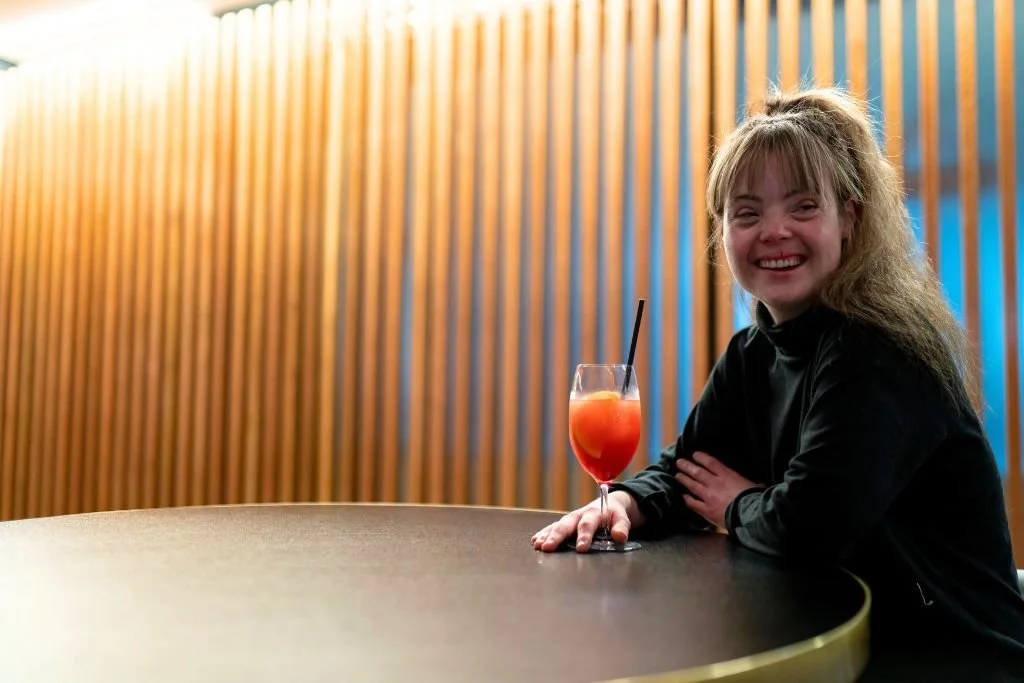
In September 2026, the social enterprise launched its When Will I Be Famous? campaign, further challenging the industry's assumptions about disability representation.
The campaign asks why people with disabilities should be celebrated primarily for overcoming adversity rather than for their creativity, talent or professional achievements.
It also raises an important question about the relationship between visibility and opportunity. How can aspiring models, actors and creators build successful careers when they are so rarely given the opportunity to be seen?
For Simone, authentic inclusion means creating a media landscape where people with disabilities can pursue their ambitions on the same terms as everyone else.
Finding the Right Support to Grow
Simone's entrepreneurial journey also highlights the importance of a supportive social enterprise ecosystem.
In 2023, she joined the AMP Foundation Tomorrow Makers SPARK program, receiving support to develop her idea and explore its potential as a social enterprise.
Through the AMP Foundation and Impact Boom, Simone developed a deeper understanding of sustainable business models, impact measurement and the relationship between commercial success and social outcomes. Her journey also led her to achieve Social Traders certification and become part of the Business for Good Network.
“The AMP Foundation is part of Disinfluencer’s DNA,” Simone shared in her conversation with Impact Boom.
Her experience demonstrates the value of investing in early-stage changemakers. Beyond financial support, access to expertise, networks and a community of purpose-driven peers can help entrepreneurs translate deeply personal motivations into sustainable businesses capable of creating lasting change.
Making Inclusion Business as Usual
Simone's work offers an important reflection for the wider business for good community.
Organisations often think about social impact in terms of the products they sell, the services they deliver or the causes they support. Yet there is also considerable potential for impact in everyday business decisions, including the images we choose, the people we commission and the stories we tell.
For marketing teams, business owners and communications professionals, Disinfluencer provides a practical opportunity to rethink those decisions.
Simone is working towards a future where inclusive advertising is no longer considered a separate category of advertising, and where employing creative talent with disabilities is simply part of doing business.
The ultimate measure of success might well be the day when seeing a person with a disability in a mainstream advertisement is no longer remarkable.
To learn more about Disinfluencer and explore how your organisation can create more inclusive content, visit disinfluencer.co or connect with Simone Eyles on LinkedIn.
Join values-aligned people on Business for Good Network for the price of a weekly coffee!